Most people do not want to move. They want the house to stop working against them. That is usually a smaller job than families expect, and the order you do it in matters more than the budget.
These are the five changes that make the biggest difference, roughly in the order we would do them.
1. The bathroom, before anything else
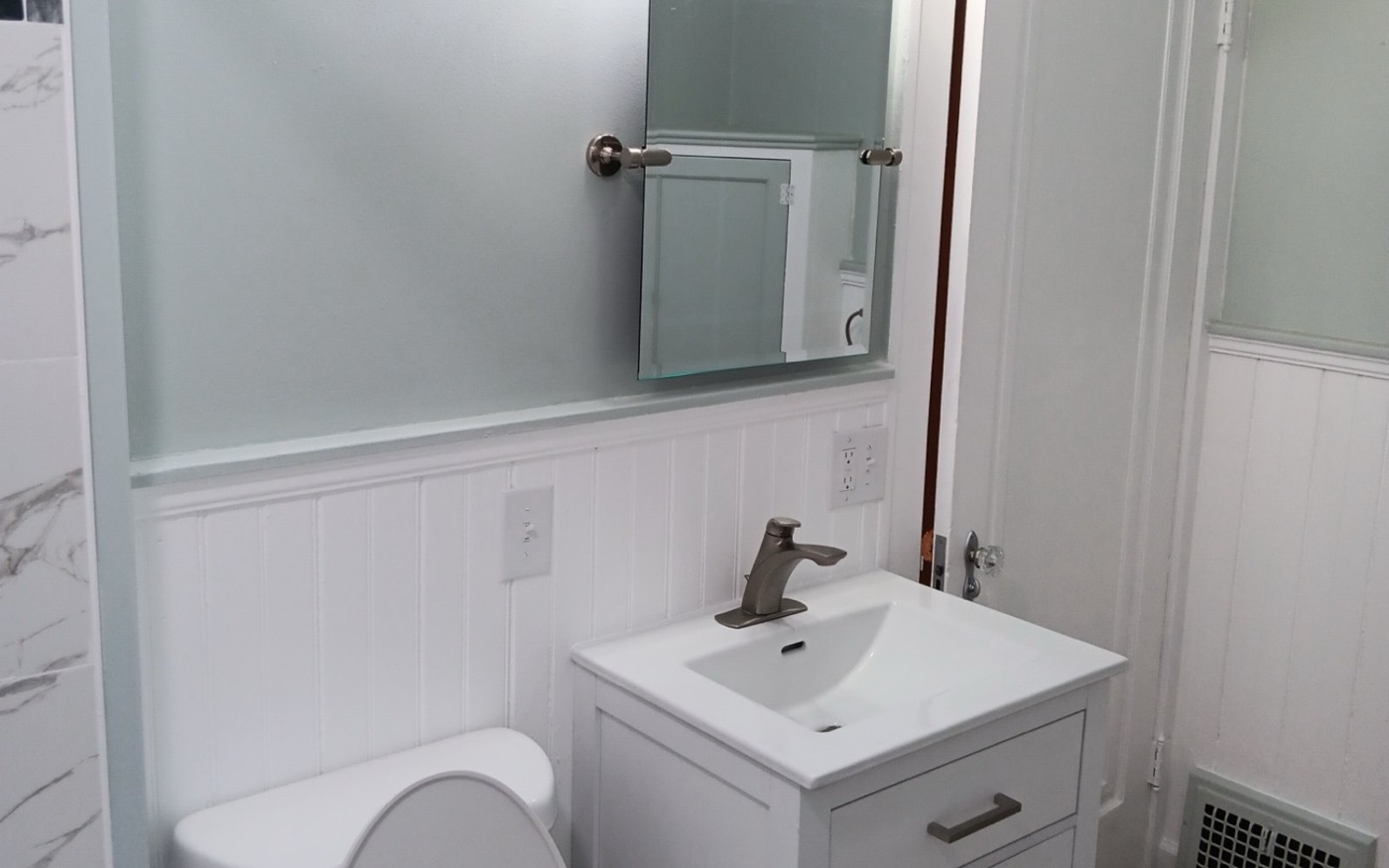
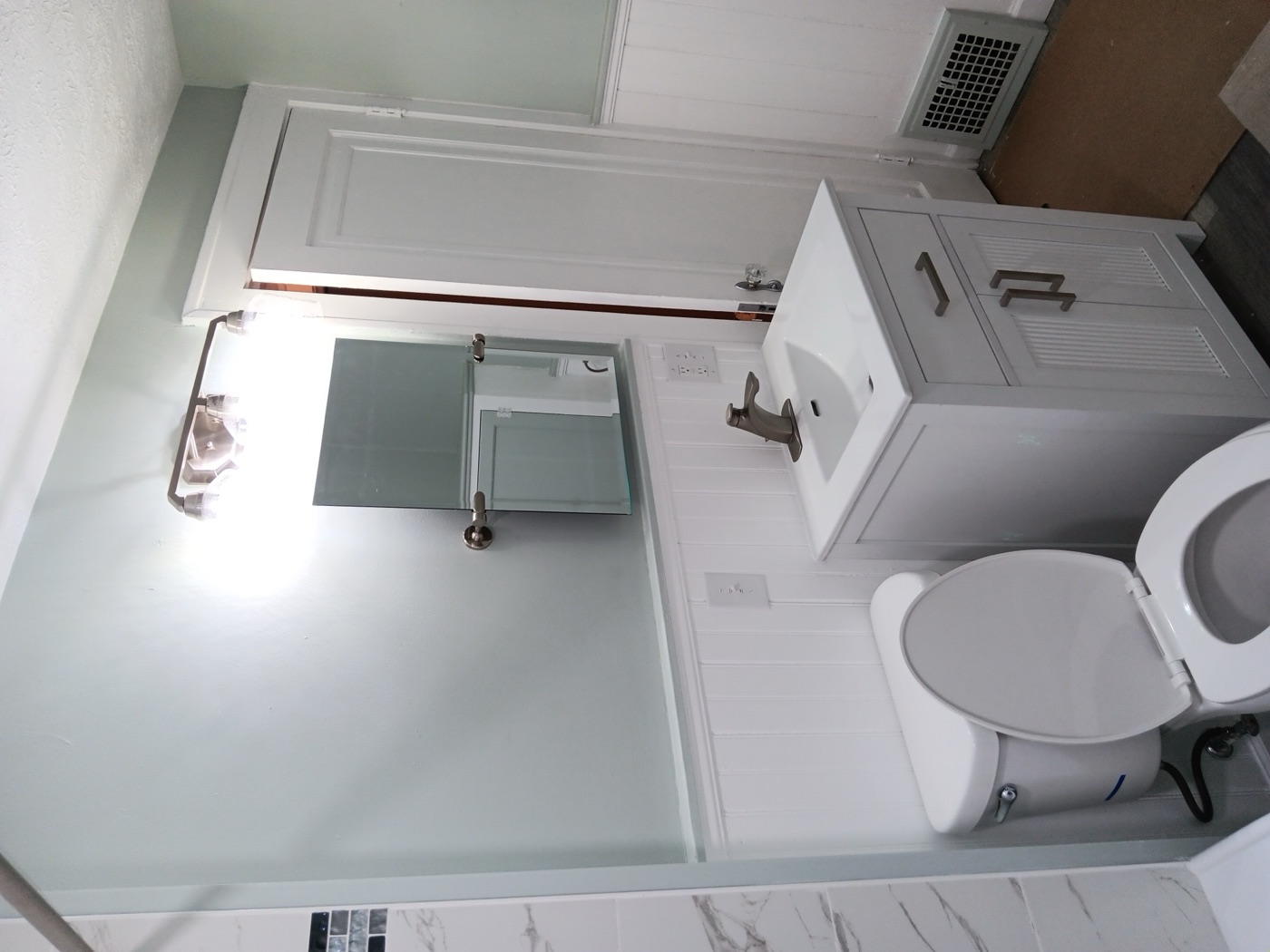
More falls happen in the bathroom than anywhere else in the house. It is wet, it is tight, and almost every surface in it was chosen to look good rather than to be held onto.
Grab bars are the single highest value change. The important part is what they are fixed to. A bar screwed into drywall alone will pull out under real weight, which is exactly when it is being used. Bars need to land in solid framing, or in backing put in behind the wall for the purpose.
A towel rail is not a grab bar. It was never made to hold a person.
2. Getting in and out of the shower
Stepping over a tub wall is the hardest thing most people do in their own home. The options run from small to large: a seat and a hand-held head, a lower threshold, or replacing the tub with a shower you walk straight into.
Start by watching how they actually get in. It usually makes the choice obvious.
3. Light where the floor changes
Older eyes need considerably more light than younger ones, and the dangerous spots are the transitions. The top and bottom of stairs, a hallway into a dark room, the path from bed to bathroom at night.
- Light at both ends of every staircase, switched from both ends
- Something low and always on between bedroom and bathroom
- Brighter bulbs where a floor level or surface changes
4. Stairs and handrails
A handrail should run the full length of the flight, including the last step, and it should be solid enough to catch a real fall. On stairs that are used a lot, one on each side is better than one.
Where a rail stops short of the bottom step, people reach for something that is not there. That is the moment the fall happens.
5. Thresholds, rugs and door handles
The last group is small changes that remove daily friction. Raised thresholds between rooms are a trip point. Loose rugs slide. Round door knobs are hard to turn with weak hands, and lever handles are not.
If a walker is in use, doorway width becomes the constraint. Widening one or two openings often does more for daily life than anything else on this list.
Where to start
If you only do one thing, do the bathroom. If you can do two, add light on the stairs. Everything else can follow at whatever pace suits.
None of this needs to happen at once, and it should never feel like the house is being turned into a hospital. Done well, most of it simply disappears into the room.
Thinking about a project?
Tell us what you are looking at and we will come and see it. The walkthrough and the written estimate are free.