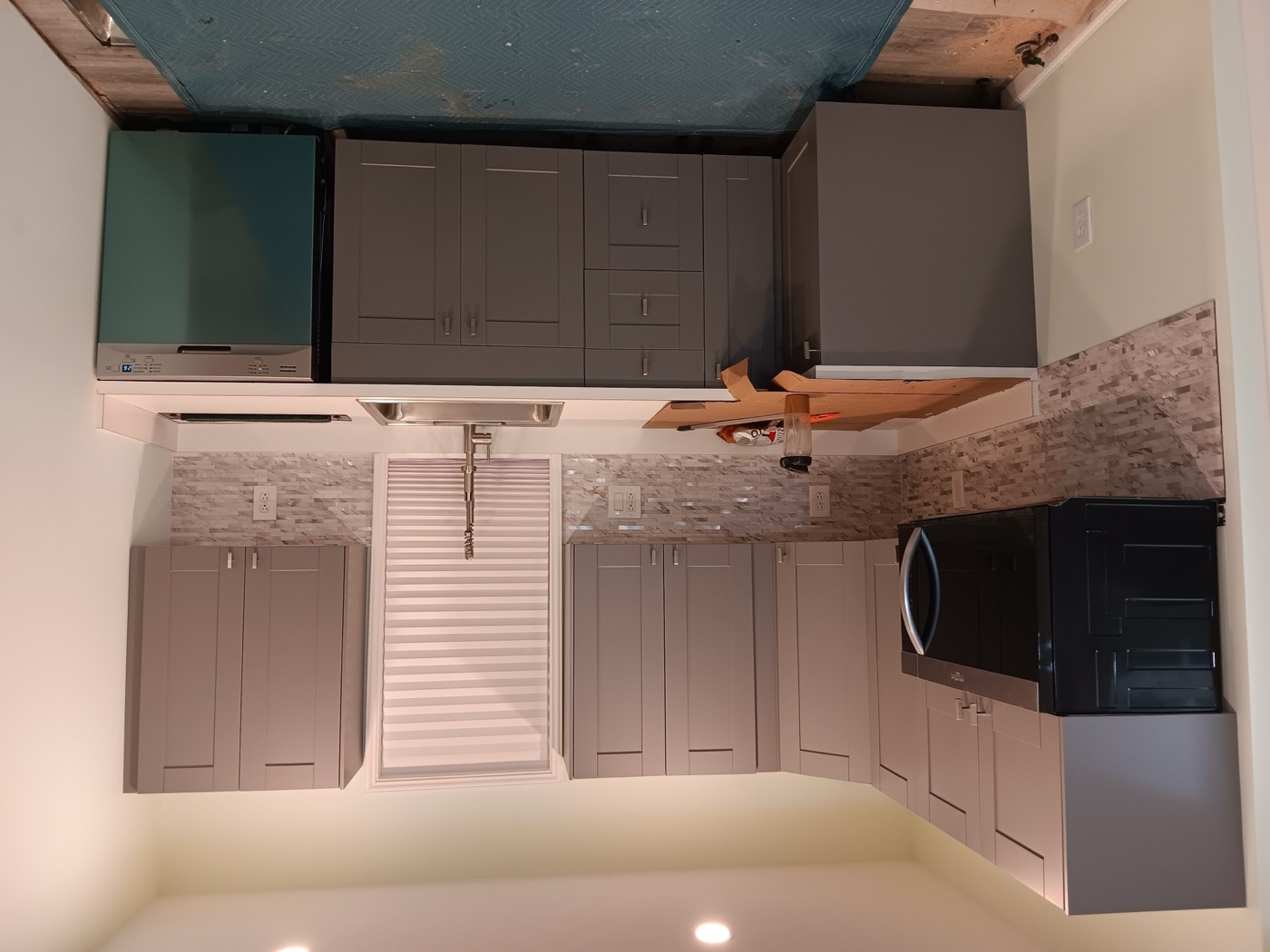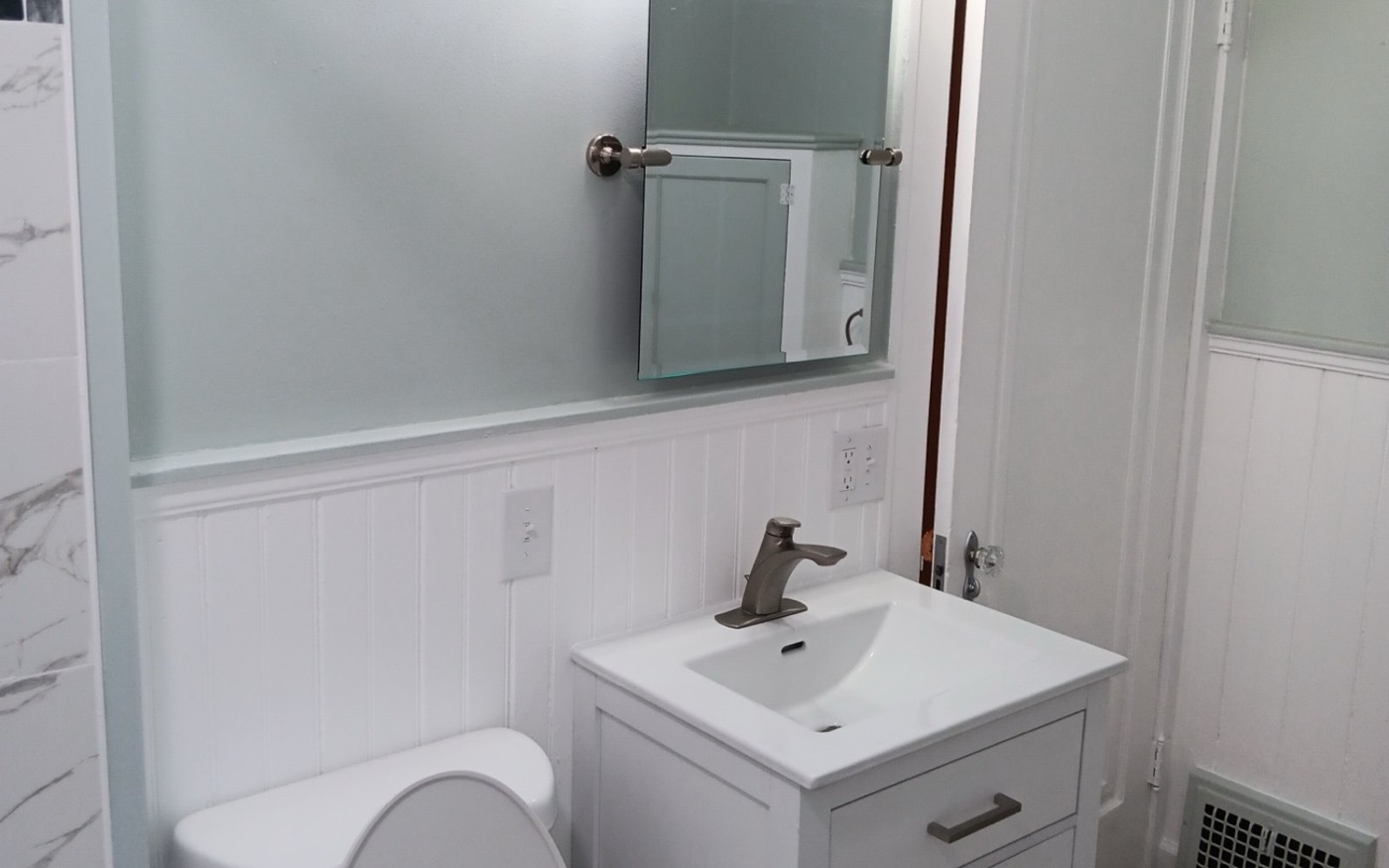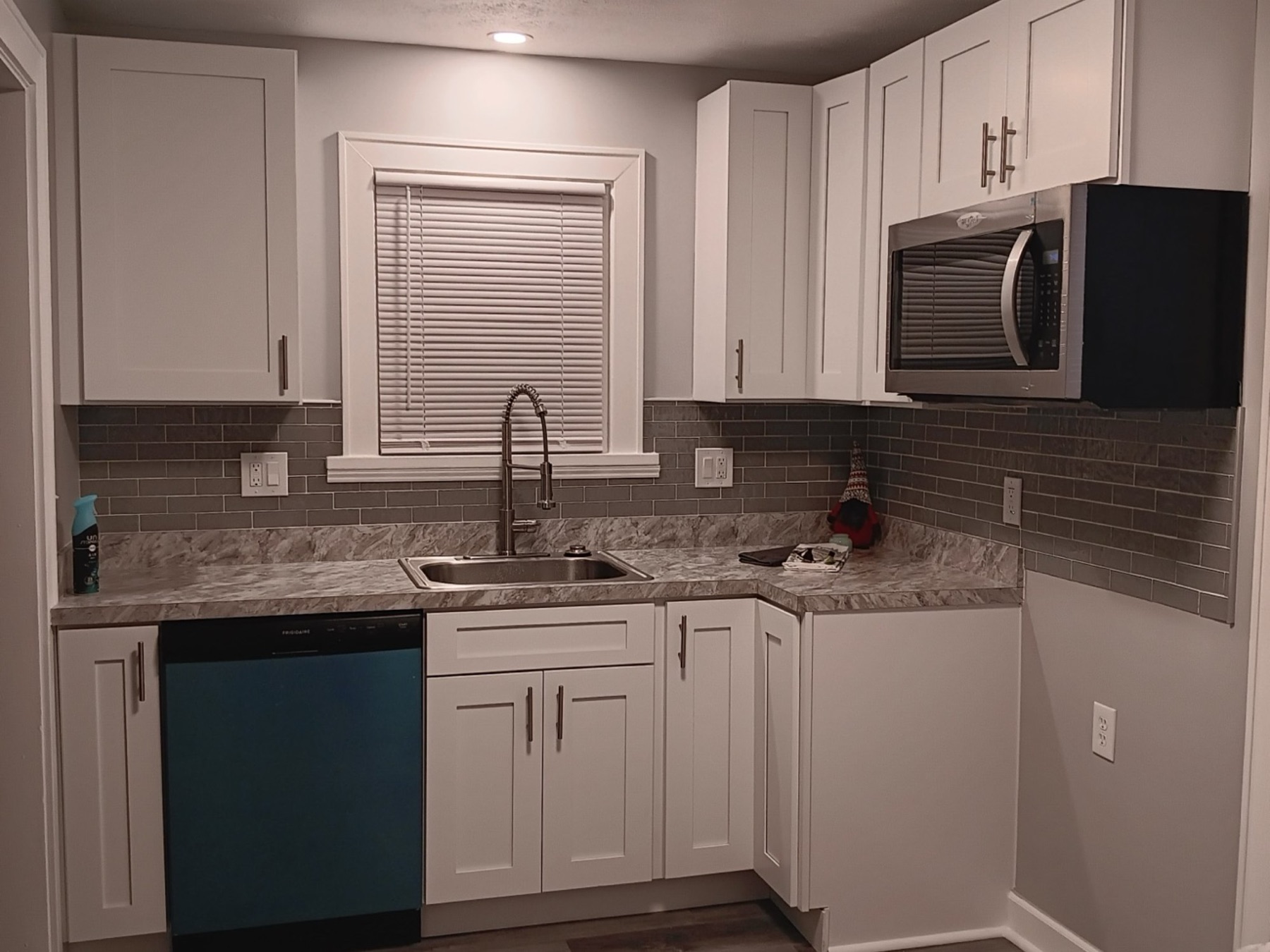

Two estimates for the same kitchen can differ enormously and both be honest. Usually the gap is not the work. It is what each one quietly leaves out.
Here is how to read one properly, in the order the sections usually appear.
Scope: what is actually being done
Scope is the list of work. It should be specific enough that you could hand it to a stranger and they would build the same thing.
"Renovate bathroom" is not scope. "Remove existing tub and surround, install new tub, tile surround to ceiling, new floor tile, replace vanity and mirror, paint" is scope. If you cannot tell from the page whether the ceiling is being painted, ask.
Allowances: the numbers that are not decided yet
An allowance is a placeholder for something you have not chosen. Tile, fixtures, cabinets, counters. The estimate carries an amount, and when you pick the actual item the difference goes on or comes off.
This is normal and fair. It becomes a problem when the allowance is set low, because the first number looks good and the final number does not.
Exclusions: the most useful section
Exclusions are what is not included. Counterintuitively this is the part worth reading first, because it tells you where the next bill comes from.
A sound exclusions list is a good sign. It means someone thought about the edges of the job. A quote with no exclusions at all has not been finished, or the exclusions live in someone's head.
Change orders: what happens when something is found
In an older home, something will be found. The question is not whether, it is what happens next.
The answer should be a change order. Written down, priced, and approved by you before the work goes ahead. Not a conversation on site and a surprise at the end.
If you did not sign it, it should not be on the final invoice.
Payment: tied to work, not to dates
A payment schedule should follow the work. A deposit to start, then payments as agreed stages complete, then a final payment after the closeout walkthrough.
Be careful with a schedule tied purely to calendar dates, because it can drift away from what has actually been built.
Three questions before you sign
- What is not in here? You are asking them to say the exclusions out loud.
- Who is on my job, and who do I call? One name is the right answer.
- What does the end look like? There should be a walkthrough where you list anything outstanding and it gets finished before the last payment.
None of that is unusual to ask. Anyone who does this properly will have answers ready.
Thinking about a project?
Tell us what you are looking at and we will come and see it. The walkthrough and the written estimate are free.