An empty unit earns nothing. The pressure is to move fast, and moving fast in the wrong order is what turns a one week turnaround into three.
This is the sequence that works, and the reasoning behind it.
Day one: empty it and look properly
Everything out first, including whatever was left in cupboards and the basement. You cannot assess a room you cannot see.
Then a proper walk with a list. Every mark, every loose handle, every faucet. Ten minutes here saves a second visit later, and a second visit is what actually costs the week.
Repairs before anything decorative
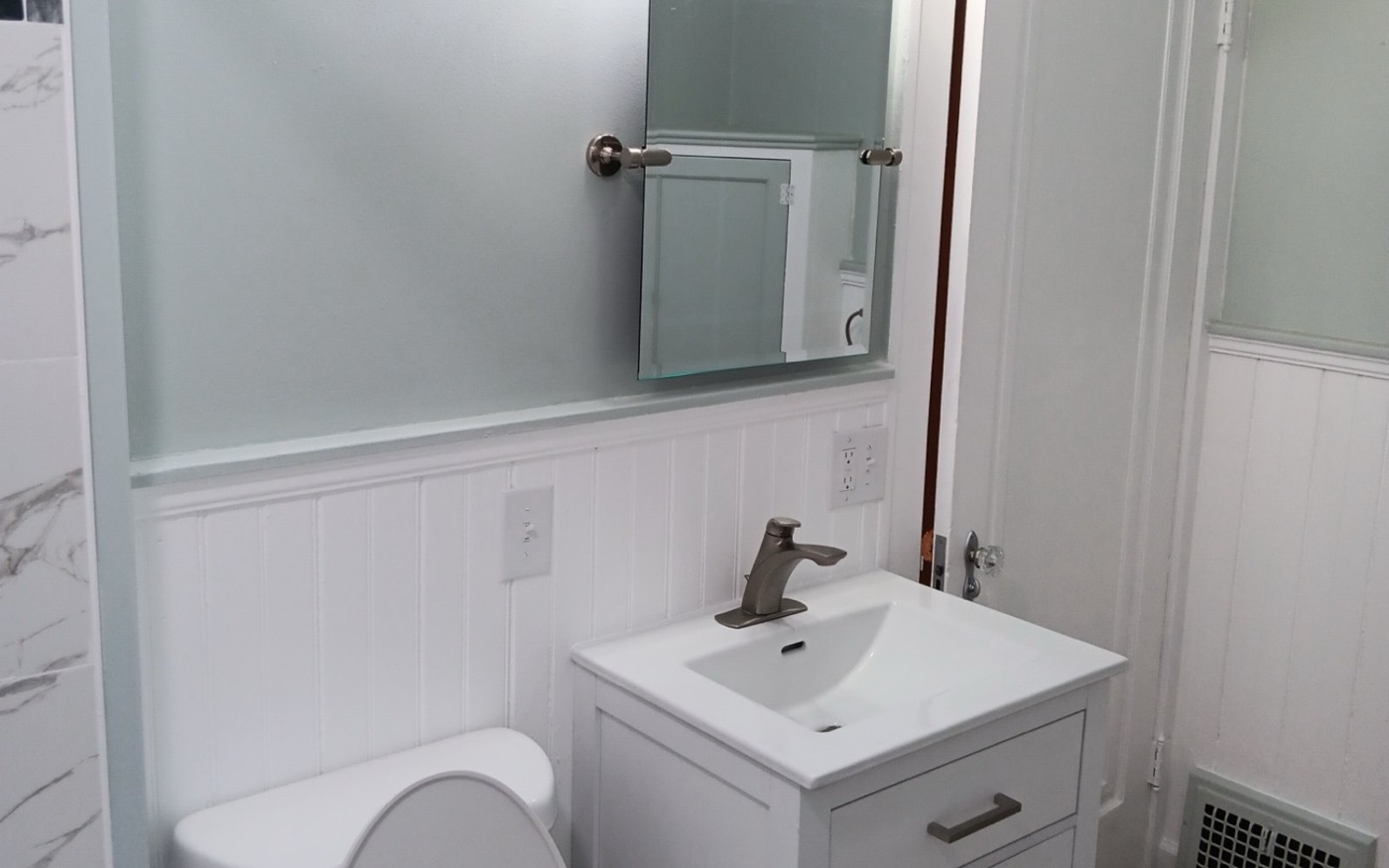
Anything behind a surface gets dealt with before the surface goes back. Patching, loose fixings, doors that do not close, anything soft or damaged.
This is the step people skip when they are in a hurry, and it is the one that forces the work to be redone.
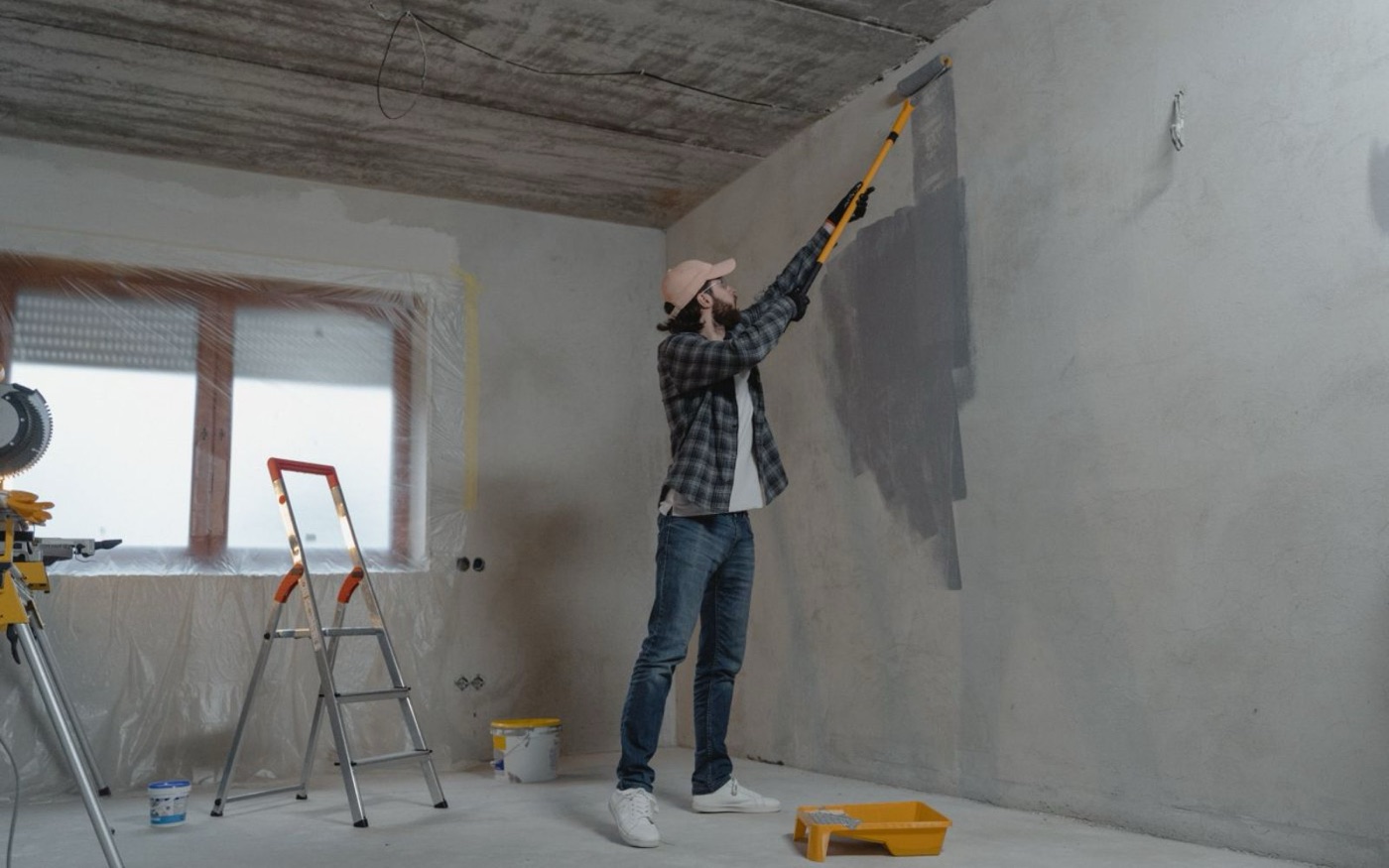
Paint before floors, every time
Paint first. It is faster to protect a floor that is coming out anyway than to cut in carefully above a floor you have just laid, and a splash on an old floor costs nothing.
Doing it the other way round is the most common sequencing mistake we see, and it is expensive in exactly the way that does not show up until the end.

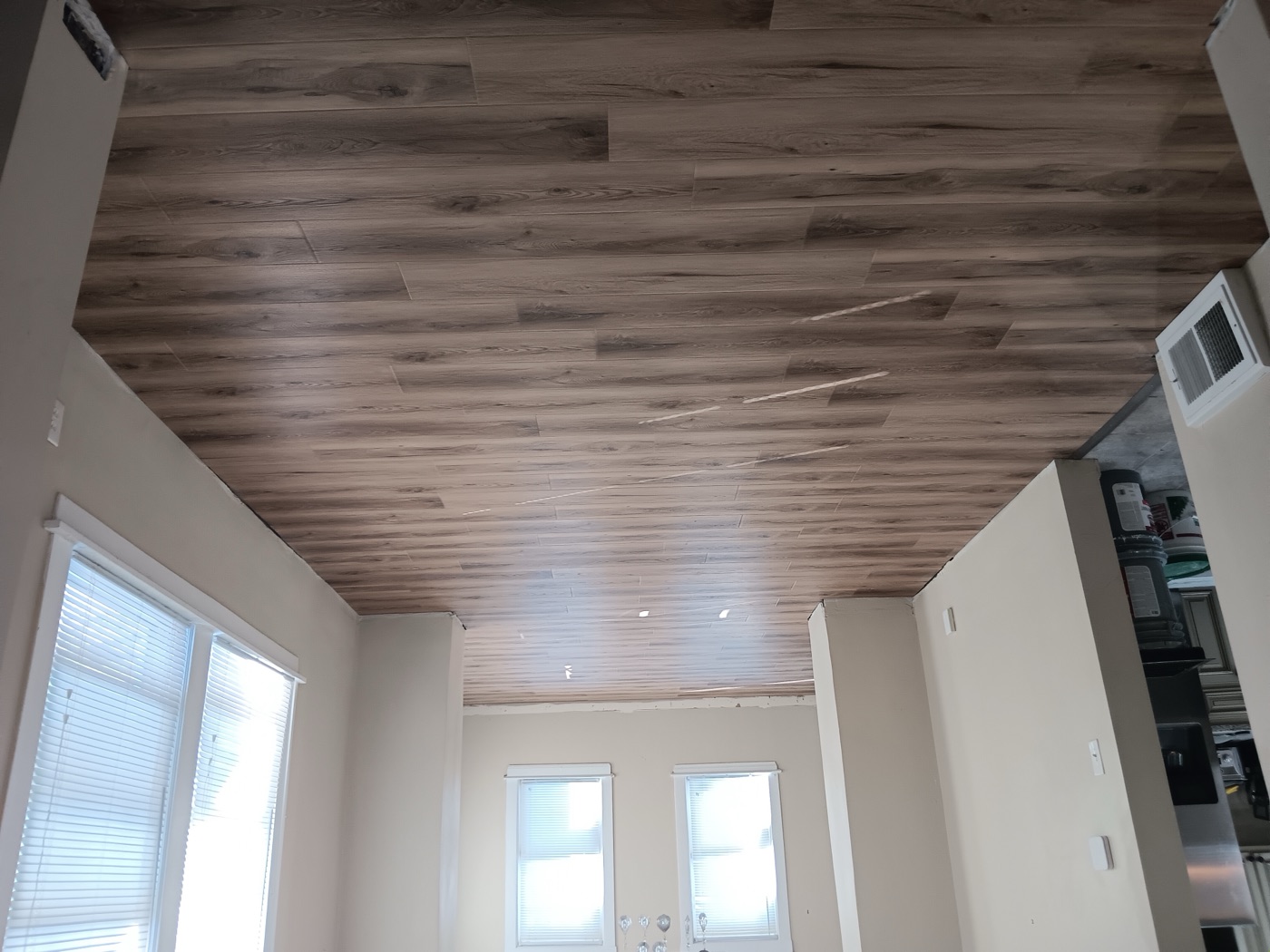
Floors last
New flooring goes down when the messy work is behind you. It arrives clean and it stays clean, and nothing after it can damage it.
Every step in this order exists so that nothing has to be done twice.
Then clean, then photograph
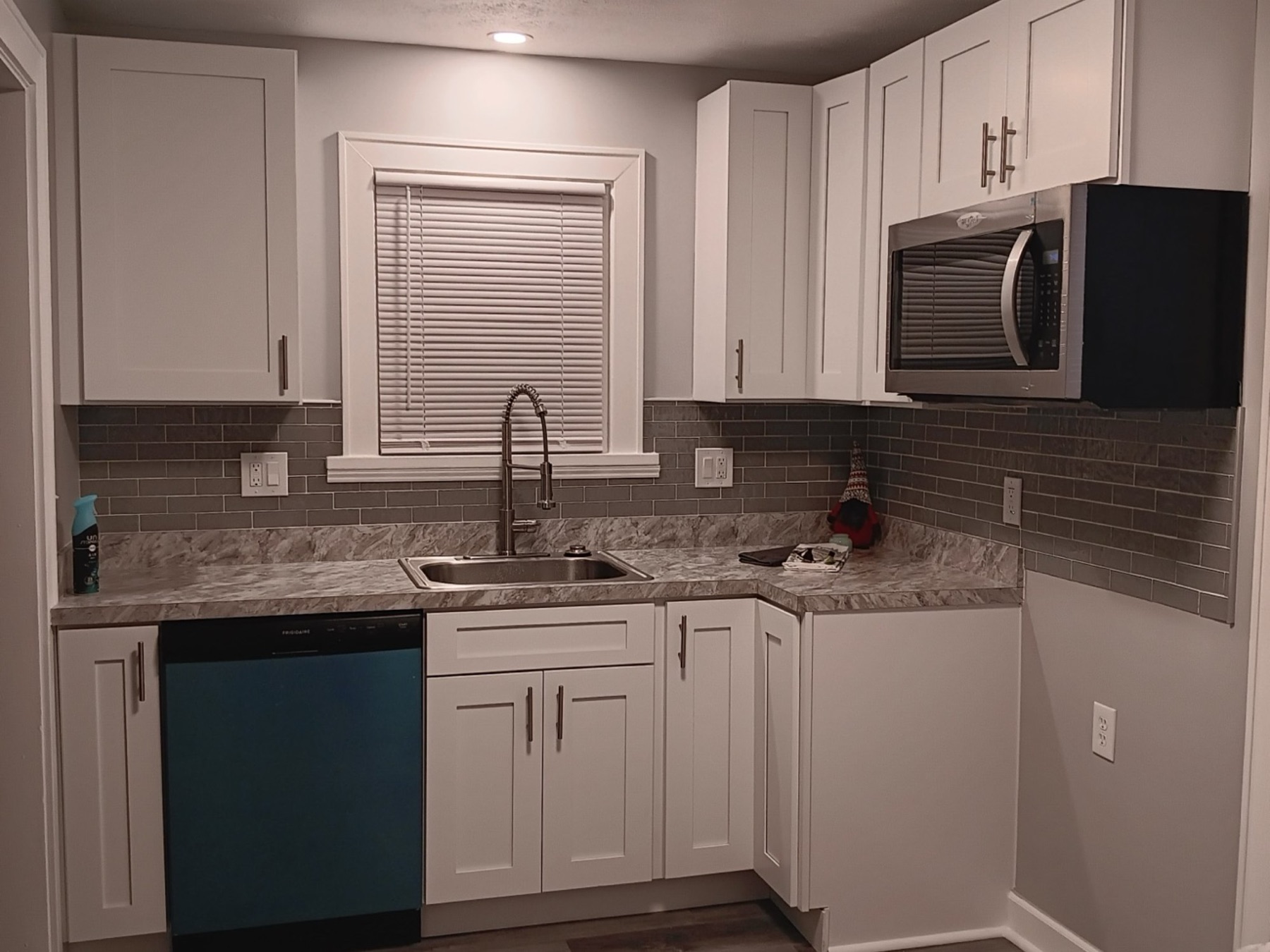
A final clean, then photographs while it is empty and spotless. Those photographs are worth real money on the listing and you only get one chance at them.
What keeps it to a week
- Everything is looked at on day one, so nothing is discovered on day four
- One point of contact, so decisions do not wait
- Materials on site before they are needed
- Work sequenced so nothing gets damaged by the step after it
Thinking about a project?
Tell us what you are looking at and we will come and see it. The walkthrough and the written estimate are free.